Recruiter guide / industry insight17 Apr 2026
The roles recruiters secretly love working on
A light, insider look at the kinds of roles recruiters genuinely enjoy working on, and why those searches usually attract better candidates and move faster.
Editorial insight
Most recruiter tools are sold with the same promise. More speed. Better matches. Cleaner pipelines. Less admin. And to be fair, some of them do exactly that. But that is also where a lot of hiring teams go wrong. They treat tools as the solution when the re...
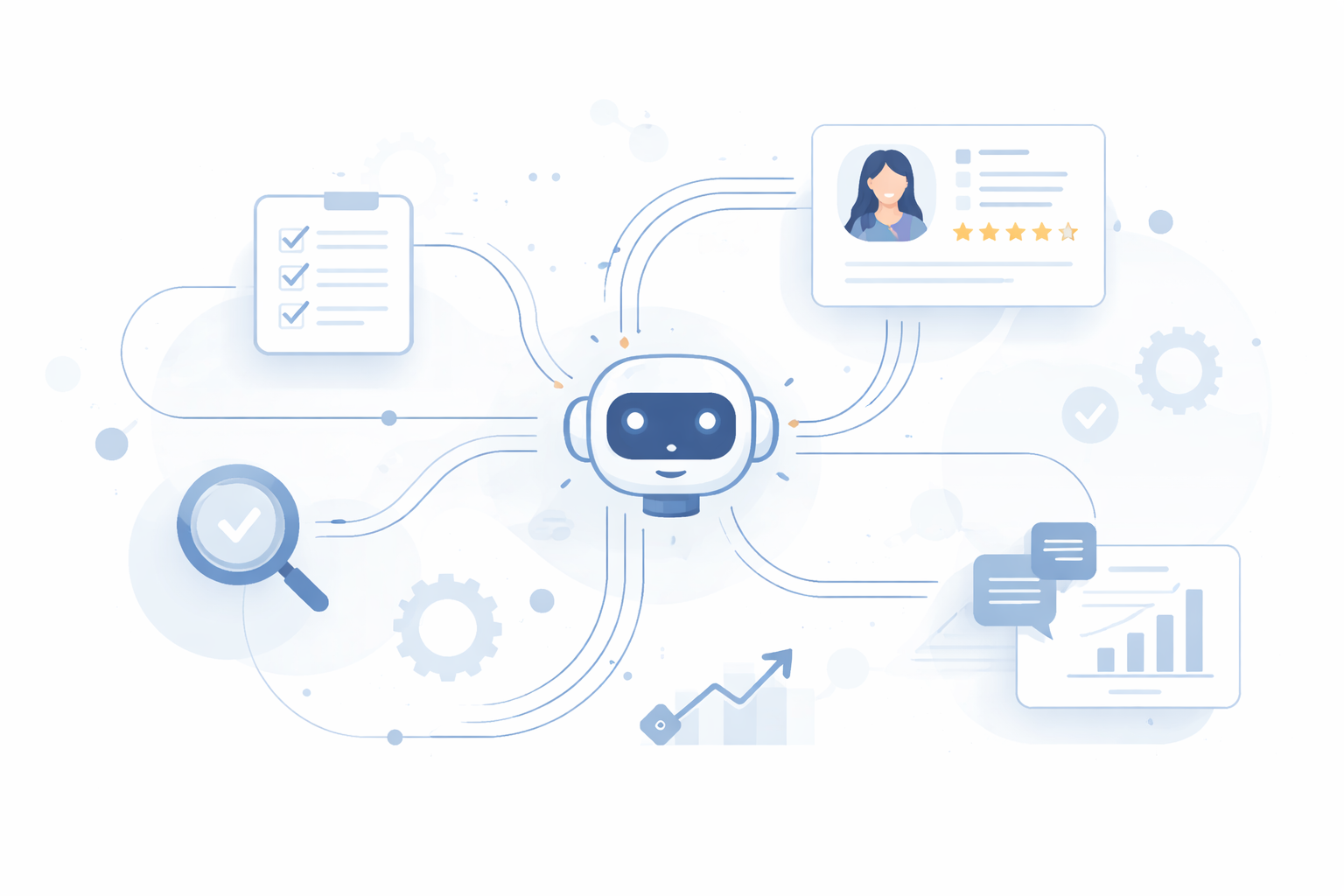
Most recruiter tools are sold with the same promise. More speed. Better matches. Cleaner pipelines. Less admin.
And to be fair, some of them do exactly that.
But that is also where a lot of hiring teams go wrong. They treat tools as the solution when the real problem is usually upstream: vague briefs, inconsistent assessment, poor hiring manager behaviour, messy ownership of candidates, or no clear view of what “good” looks like in the first place.
That matters now because recruitment technology is spreading fast. CIPD’s 2024 research found that 78% of organisations had increased their use of technology in recruitment and onboarding over the previous year, and 31% were using some form of AI or machine learning, up from 16% in 2022. At the same time, adoption of many recruitment technologies remains limited, which suggests that buying tools and embedding them properly are still two very different things.
So the useful question is not “What are the best recruiter tools?” It is “What kind of stack helps recruiters do better work?”
That is a more practical question. It leads to better buying decisions, cleaner processes and fewer expensive mistakes.
The core job of recruiter tools is simple. They should help teams attract the right people, organise information, communicate consistently, assess candidates fairly and make better hiring decisions faster.
In practice, most recruiter stacks sit across five broad areas:
This is the operational backbone. An ATS usually handles jobs, applications, interview stages, notes, feedback and reporting. It gives teams a shared system of record.
That matters because process discipline is still weaker than many teams assume. CIPD found that only 26% of organisations use applicant tracking systems, despite the amount of process complexity involved in even moderate-volume hiring.
A CRM is less about processing applicants and more about managing relationships. Good CRM tools help recruiters build and segment talent pools, keep in touch with prospective candidates and avoid starting from zero every time a role opens.
For agency recruiters and independent recruiters especially, this is often where long-term value sits. A recruiter without a usable relationship database is effectively renting their pipeline every month.
These tools help recruiters find people rather than wait for applications. That can include search tools, enrichment tools, candidate matching software and outreach workflows.
The ICO’s audit of AI recruitment tools describes sourcing tools as systems used to suggest candidates from databases or identify candidates who may fit a role or diversity objective. That shows how broad this category has become, and why sourcing tools now sit close to data protection and bias questions, not just productivity.
These cover online tests, interview scheduling, recorded interviews, scorecards, skills assessments and structured evaluation tools. Used well, they can make assessment more consistent. Used badly, they can add noise, increase drop-off and create a false sense of objectivity.
CIPD reported that 73% of organisations say line managers follow objective assessment and scoring criteria when recruiting, up from 67% in 2022, but only 28% train all interviewers on legal obligations and objectives. That gap matters more than any software feature.
AI now cuts across sourcing, screening, writing, analysis and workflow automation. LinkedIn’s 2025 Future of Recruiting report says 73% of talent acquisition professionals agree that AI will change the way organisations hire. Among those integrating or experimenting with generative AI, the most cited benefits include improved hiring efficiency, better job post effectiveness and expanded talent pools, while the biggest concerns are privacy, budget, accuracy and compliance.
That is the real shape of the market now. AI is not one separate tool category. It is becoming a layer across all of them.
A lot of recruitment technology disappointment comes from one basic mistake: teams buy for features instead of workflow.
A recruiter says they need automation. What they may actually need is a better briefing process. A hiring manager says they want AI screening. What they may actually need is a narrower scorecard and a realistic definition of must-have skills. A founder says they need a new ATS. What they may actually need is one clear owner for the hiring process.
This is why some stacks feel heavy within months. Every new tool adds handoffs, logins, training needs, data issues and another place where information can go stale.
CIPD’s 2024 report points to this directly. Employers increasingly say technology improves candidate experience and speeds up recruitment, but many still report that their use of technology is limited by lack of resources, skills and knowledge. In other words, the bottleneck is often operating capacity, not software availability.
That is also why the best recruiter tools tend to look less impressive in demos than in practice. They do not try to do everything. They solve one repeated problem cleanly.
There is no universal perfect stack, but there is a sensible order.
If candidate data, hiring stages, notes and feedback are scattered across inboxes, spreadsheets and private messages, nothing else will work well. The first priority is always a clear, usable system of record, usually an ATS or ATS-plus-CRM setup.
Without that, reporting becomes weak, candidate ownership becomes messy and handovers become political.
A surprising amount of recruiter performance comes down to follow-up quality. Outreach, scheduling, reminders, feedback loops and re-engagement all benefit from better tooling. This is where CRM workflows, email sequencing, messaging integrations and scheduling tools tend to pay back quickly.
Many teams overinvest in sourcing tech and underinvest in structured assessment. But hiring quality usually depends more on the second part than the first.
LinkedIn’s 2025 report found that 93% of talent acquisition professionals believe accurately assessing a candidate’s skills is crucial for improving quality of hire, and 61% believe AI can improve how they measure quality of hire. That suggests where the next wave of value is likely to sit: not just finding more candidates, but judging them more consistently and with better evidence.
AI is often most useful when the task is high-volume, repeatable and low-risk if reviewed properly. Drafting outreach. Summarising notes. Highlighting skills signals. Suggesting search strings. Tagging profiles. Preparing interview packs.
The UK government’s guidance on responsible AI in recruitment specifically points to hiring stages such as sourcing, screening, interview and selection as relevant use cases, but frames them within assurance and responsible deployment rather than simple automation.
That is the right framing. AI should absorb admin and support judgement, not replace it.
Not every problem with recruiter tools is about adoption. Some are structural.
No recruiter tool can rescue poor underlying data. If job descriptions are vague, candidate records are incomplete or feedback is inconsistent, the output will still be weak. AI can make that problem look more sophisticated, but it does not remove it.
This is one of the clearest risks in the current market. The UK government’s Responsible AI in Recruitment guidance says AI systems in hiring need assurance and governance because recruitment decisions can affect fairness, transparency and accountability.
The ICO’s 2024 outcomes report makes the point more sharply. Its audit work on AI recruitment providers found almost 300 recommendations to improve compliance, covering fairness, transparency, data minimisation, lawful processing and privacy risk assessment. It also found examples where tools inferred protected characteristics, collected excessive personal information or left responsibility for compliance unclear between provider and recruiter.
That does not mean recruiters should avoid AI tools. It means they should ask much harder questions before rolling them out.
Some tools create the appearance of a smoother process while making the human experience worse. Extra forms. Duplicated applications. Slow feedback. Recorded interviews with no context. Chatbots used where a simple email would do.
CIPD reports that employers increasingly see technology as improving candidate experience, which is encouraging, but that should be read as a target rather than a guarantee. Technology improves experience only when the process around it is thoughtful.
This is the quiet risk beneath everything else. When the stack becomes too heavy, recruiters spend more time feeding systems than shaping hiring decisions.
LinkedIn’s current direction of travel is useful here. Its 2025 recruiting research argues that mastering AI should help recruiters evolve into more strategic talent advisors, not more automated administrators. That is the benchmark worth keeping.
A good recruiter tool decision starts with a very plain question: what problem is repeated often enough, expensive enough or risky enough to justify software?
That sounds obvious, but many stacks are still built in reverse. The feature set comes first. The operating need gets justified afterwards.
A better buying process usually looks like this:
Is the real issue speed to shortlist, hiring manager responsiveness, candidate drop-off, poor pipeline visibility, inconsistent interview quality or weak reporting? Each of those points to a different category of tool.
If the issue is that interview feedback arrives three days late, a new platform may not help. If the issue is that no one knows where feedback should live, then it might.
A useful recruiter tool makes good work easier. A weak one just makes activity easier to count.
For AI and data-heavy products, this is non-negotiable. Procurement should cover how data is collected, what is inferred, how outputs are tested, what level of human oversight exists and who carries responsibility under data protection law. The UK government and ICO guidance both support this more rigorous approach.
The most powerful tool on paper is rarely the best choice if the team will not use it consistently. Recruiter tools only create value when they become part of everyday behaviour.
The best recruiter tools are not the same for every hiring model.
For in-house teams, the priority is often visibility, stakeholder alignment, compliance and candidate experience. The stack needs to support planning as much as execution.
For traditional agencies, speed, CRM quality, outreach workflow and ownership of candidate relationships usually matter more.
For independent recruiters and network-based models, lean systems tend to outperform bloated ones. The advantage often comes from stronger recruiter autonomy combined with lighter infrastructure and clearer incentives. In that environment, tools should strengthen relationship quality and delivery discipline, not recreate the overhead of a large agency.
That is one reason the “best tool” debate can be misleading. The better question is whether the technology fits the economics and behaviour of the hiring model.
Recruiter tools matter, but they matter in the same way that finance software or project software matters. They are an operating layer, not a substitute for judgement.
The strongest recruiter stacks do three things well. They create one reliable source of truth. They remove repetitive admin. And they make assessment more consistent without trying to automate the whole hiring decision.
The weakest stacks do the opposite. They fragment information, create false certainty and bury recruiters under workflow theatre.
The market is clearly moving toward more technology and more AI. CIPD shows adoption rising. LinkedIn shows TA leaders expecting AI to reshape hiring. The UK government and ICO show why governance now matters just as much as capability.
So the practical answer is not to reject recruiter tools or chase every new one. It is to build a stack around the real work of recruiting: clearer briefs, stronger pipelines, better communication, fairer assessment and better decisions.
Choose recruiter tools based on one repeated business problem, not on a broad promise of transformation.
Make the ATS or ATS-plus-CRM layer usable before adding specialist tools on top.
Use AI first for repetitive, reviewable tasks rather than final decision-making.
Treat compliance, transparency and data minimisation as product criteria, not legal admin. The ICO’s findings make that essential.
Measure tool success through outcomes such as response rates, time to shortlist, interview consistency, candidate drop-off and quality of hire, not just login rates.
Keep the recruiter in the loop. The more consequential the decision, the more human judgement should matter.
Recruiter tools can absolutely improve hiring. The evidence supports that. They can increase efficiency, improve access to information and help teams manage complexity at scale.
But the best recruiter tools do not win because they are clever. They win because they fit the work.
That is the real distinction. Good technology supports a sound hiring process. Weak technology just gives a broken process nicer dashboards.
For most teams, the smartest move is not building the biggest stack. It is building the cleanest one.
If you are reviewing your recruiter tools, start with the workflow before the vendor shortlist. The stack should support how your team actually hires, not how a demo says hiring should work. That is usually where better hiring models start.
Written by Brendan Woodage
Precision curation journal
Recommended reading
A few nearby essays from the same archive, chosen from other published posts.
A light, insider look at the kinds of roles recruiters genuinely enjoy working on, and why those searches usually attract better candidates and move faster.
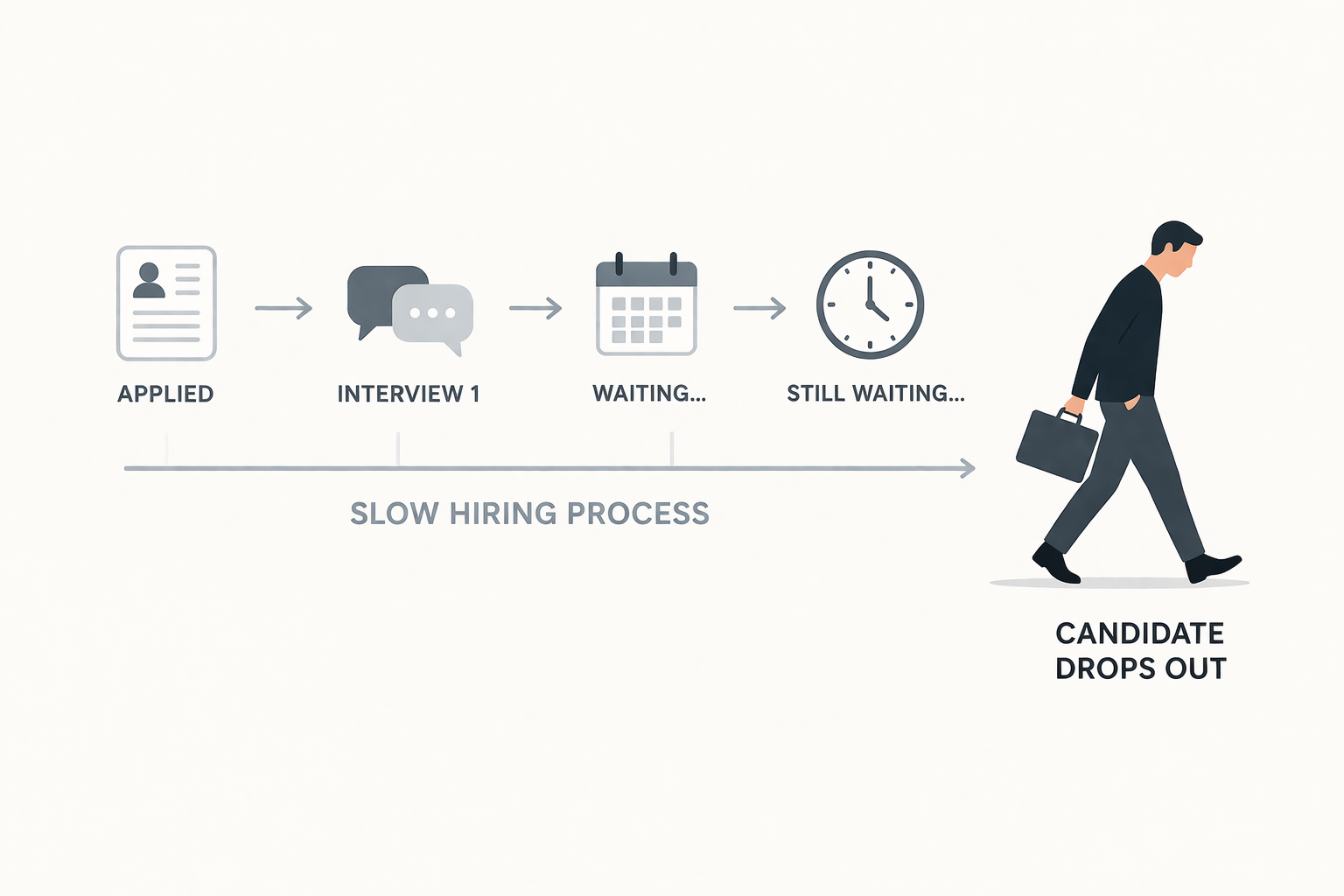
Slow hiring does more than delay a decision. It creates doubt, weakens candidate confidence and increases dropoff. Here’s why good candidates leave slow processes, and how to fix it.
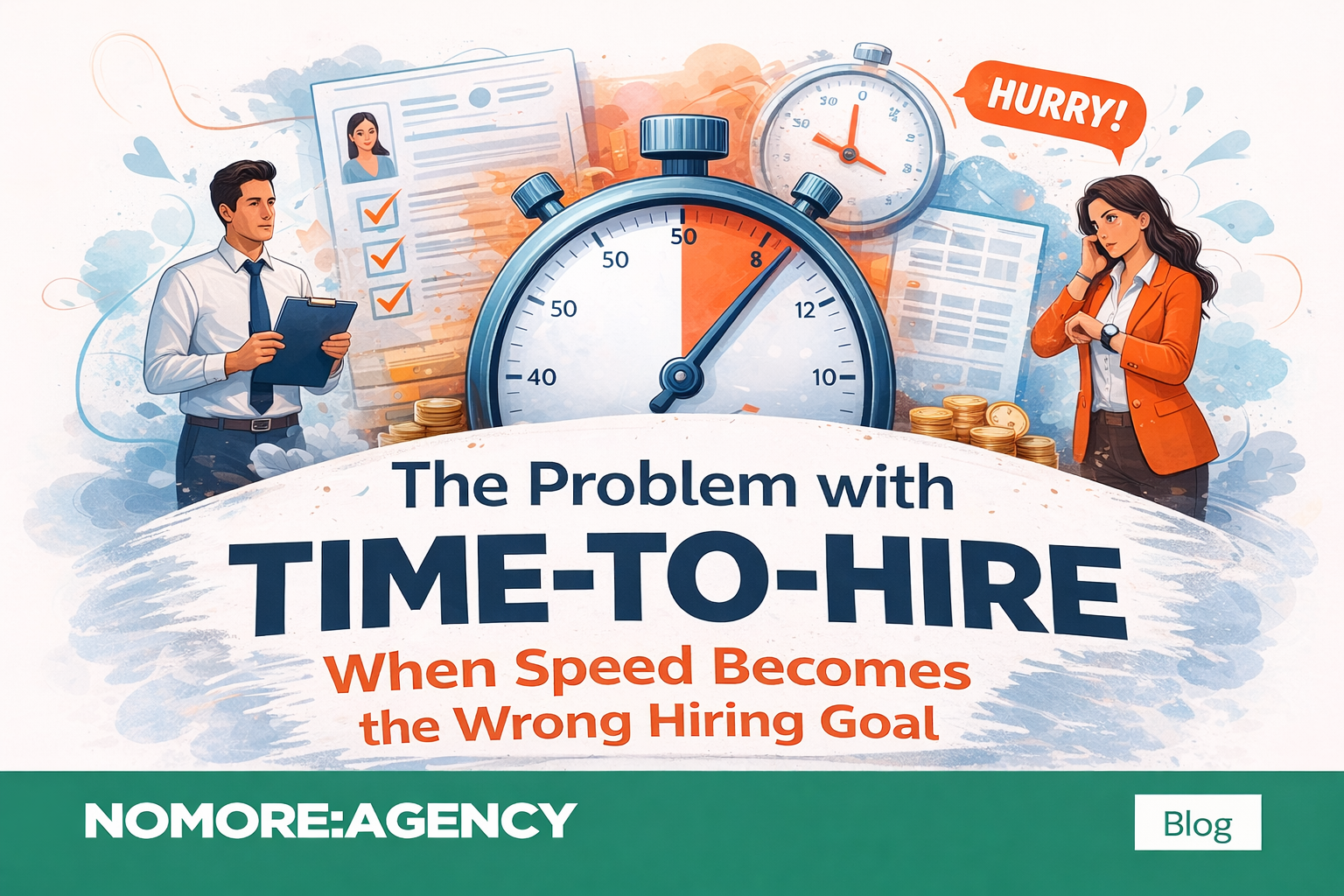
Timetohire is one of the most tracked recruitment metrics. But when speed becomes the primary goal, hiring quality suffers. Here’s what the data says and what to measure instead.